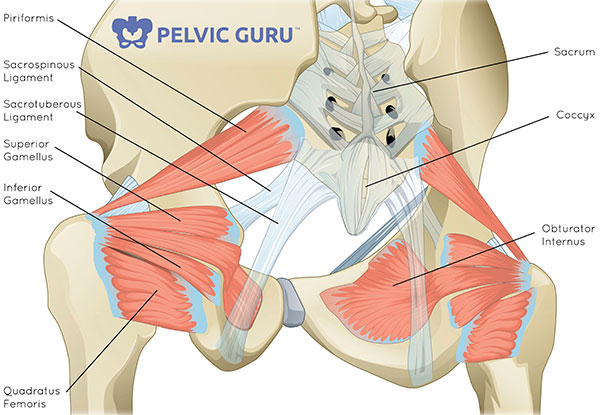
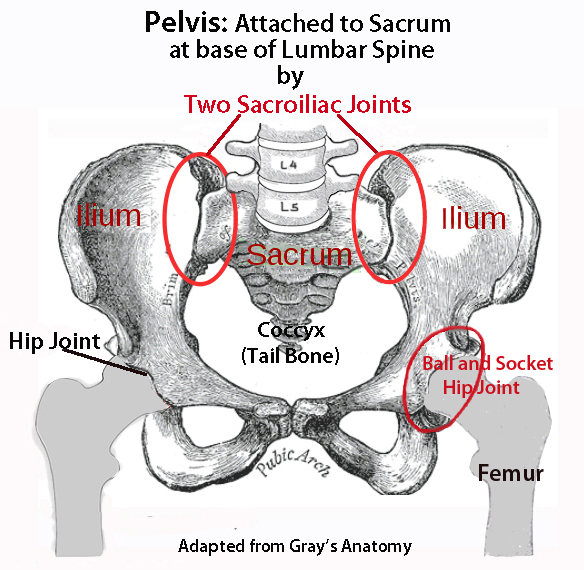
What Muscles Attach Left Hip And Back - Pain in the Front of the Hip: What's Causing It? - Regenexx®. The quadratus lumborum is a low back muscle that connects the hip bone (iliac crest), lower back vertebrae (l1, l2, l3, l4) to the 12 th rib. The body isn't always smart in recognizing where the pain is coming from, dr. These muscles attach to the thighbones at the level of the hip and run down the inside of the thigh, stabilizing the joint. You can see the pain referral patterns below for the deep (closer to the spine) and superficial fibers of the ql muscle. Attached to the pelvis are muscles of the buttocks, the lower back, and the thighs.
Major muscles that support the back and hip, such as the quadratus lumborum, psoas, and piriformis, play a role in maintaining the stability and function of the sacroiliac joint. Ligaments are thick bands of connective tissue that connect one bone to another. Muscles of the lumbar spine. If your hip flexors are too tight (or too strong) in comparison to their opposing muscles, the glutes, then your lower back muscles are likely to end up tight too — and vice versa, if your lower back muscles are too tight in comparison to your abs. The muscles you probably know the best are your glutes (gluteal muscles), the large, strong muscles that attach to the back of your hip bones and comprise the buttocks.
What is the Pelvic Floor? | Your Pace Yoga from yourpaceyoga.com The way your hip flexors and lower back muscles attach to the pelvis makes them particularly prone to this: What movements does it control? These muscles attach via tendons which are thick bands of connective tissue. If your hip flexors are too tight (or too strong) in comparison to their opposing muscles, the glutes, then your lower back muscles. You can see the pain referral patterns below for the deep (closer to the spine) and superficial fibers of the ql muscle. The quadratus lumborum is a low back muscle that connects the hip bone (iliac crest), lower back vertebrae (l1, l2, l3, l4) to the 12 th rib. They travel down the hip bone and attach to greater trochanter. If the gluteal muscles and it band are too tight, they pull at the thighbone where they attach, and that causes pain on the side.
The main action of the adductors is to pull the leg inward toward the other leg.
Attached to the pelvis are muscles of the buttocks, the lower back, and the thighs. The tendons are susceptible to degeneration, injury, inflammation, and tears. Muscles that attach from the pelvis to the trunk and cross the lumbosacral joint muscles that attach from the pelvis to the thigh/leg and cross the hip joint pelvic floor muscles that are located wholly within the pelvis This means the rectus femoris is the only one in the quadriceps group that crosses over your hip joint (and affects movement there). You can see the pain referral patterns below for the deep (closer to the spine) and superficial fibers of the ql muscle. When these muscles get tight, as they often do, you may find that along with hip pain, your lower back hurts—but you can't figure out why. The gluteal muscles and rectus femoris muscle attach to other parts of the ilium bone. The it band is a common cause of lateral (outside) hip, thigh, and knee pain. Major muscles that support the back and hip, such as the quadratus lumborum, psoas, and piriformis, play a role in maintaining the stability and function of the sacroiliac joint. These muscles include the gluteus maximus muscle (the largest muscle in the body) and the hamstrings group, which consists of the biceps femoris, semimembranosus, and semitendinosus muscles. Causes of ilium pain can be categorized as either direct or referred. (2017, elsevier) should be consulted. The medial muscles of the hip are involved in the adduction of the leg i.e.
You can see the pain referral patterns below for the deep (closer to the spine) and superficial fibers of the ql muscle. It helps flex the knee but has. The glutes attach to your. The way your hip flexors and lower back muscles attach to the pelvis makes them particularly prone to this: The most important muscles are the gluteus maximus, medius, and minimus.
Pin on The CURE from i.pinimg.com When people feel they have a pulled hip muscle it's usually one of the hip flexor muscles that are located right on top of the pelvis. Side bending the trunk straightening of the spine (standing straight) There are three muscles (gluteus minimus, gluteus maximus, and gluteus medius) that attach to the back of the pelvis and insert into the greater trochanter of the femur. The quadratus lumborum is a low back muscle that connects the hip bone (iliac crest), lower back vertebrae (l1, l2, l3, l4) to the 12 th rib. If you lean back with the arms behind your body, the head attaching to the shoulderblade it was caused by overdeveloped leg muscles compared to an underdeveloped core, and a lack of flexibilty in ny hamstrings and. They travel down the hip bone and attach to greater trochanter. The iliopsoas muscle is one of the most complex and least understood muscles in the body. One of four quadriceps muscles in the thigh, this muscle attaches to the kneecap.
The way your hip flexors and lower back muscles attach to the pelvis makes them particularly prone to this:
Bringing the leg back towards the midline. It runs from the hip bone to the tibia, on the inside of the thigh. Take a look at our page on hip flexor muscles and see if you can identify the muscle that is located where the pain hurts. The tensor fascia lata (tfl) is another abductor of the hip, which, along with the gluteus maximus, attaches to the it band. The it band is a common cause of lateral (outside) hip, thigh, and knee pain. The gluteals make up the muscles of the buttocks on the back of the hip. When these muscles get tight, as they often do, you may find that along with hip pain, your lower back hurts—but you can't figure out why. Major muscles that support the back and hip, such as the quadratus lumborum, psoas, and piriformis, play a role in maintaining the stability and function of the sacroiliac joint. When people feel they have a pulled hip muscle it's usually one of the hip flexor muscles that are located right on top of the pelvis. Attached to the pelvis are muscles of the buttocks, the lower back, and the thighs. Trigger points (trps) in the gluteus maximus (glute max) cause aching pain and stiffness in the hip and buttock areas. Pain can become sharp with some movements such as standing after sitting. Causes of ilium pain can be categorized as either direct or referred.
Dec 05, 2020 · the quadratus lumborum is a low back muscle that connects the hip bone (iliac crest), lower back vertebrae (l1, l2, l3, l4) to the 12 th rib. This means the rectus femoris is the only one in the quadriceps group that crosses over your hip joint (and affects movement there). The inner thigh is formed by the adductor muscles. One of four quadriceps muscles in the thigh, this muscle attaches to the kneecap. When the tendons that attach the muscles to your thigh bone become inflamed or irritated from overuse or injury, they can cause aches and swelling in.
Part II: Correcting the Lower Back and Hips - Tony Gentilcore from tonygentilcore.com When these muscles get tight, as they often do, you may find that along with hip pain, your lower back hurts—but you can't figure out why. If the gluteal muscles and it band are too tight, they pull at the thighbone where they attach, and that causes pain on the side. Muscles located at the side of the hip, which include the gluteus medius, piriformis, and hip external rotator muscles contribute greatly to the well being of your lower back, as well as your posture. The gluteal muscles and rectus femoris muscle attach to other parts of the ilium bone. The iliopsoas muscle is one of the most complex and least understood muscles in the body. Ligaments are thick bands of connective tissue that connect one bone to another. Tight muscles in the buttocks and hip. One of the four muscles that comprise this group—the rectus femoris—attaches to the pelvis at a place called the anterior superior iliac spine (asis).
When people feel they have a pulled hip muscle it's usually one of the hip flexor muscles that are located right on top of the pelvis.
The gluteal muscles and rectus femoris muscle attach to other parts of the ilium bone. Raise your back right foot and rest your ankle on the bench. Your left leg should be bent with your left foot planted on the floor. Dec 05, 2020 · the quadratus lumborum is a low back muscle that connects the hip bone (iliac crest), lower back vertebrae (l1, l2, l3, l4) to the 12 th rib. Jun 06, 2021 · what muscles attach left hip and back : Muscles located at the side of the hip, which include the gluteus medius, piriformis, and hip external rotator muscles contribute greatly to the well being of your lower back, as well as your posture. The psoas major attaches along the lumbar spine and intervertebral discs then. The tendons are susceptible to degeneration, injury, inflammation, and tears. Attached to the pelvis are muscles of the buttocks, the lower back, and the thighs. The iliopsoas muscle is one of the most complex and least understood muscles in the body. The muscles you probably know the best are your glutes (gluteal muscles), the large, strong muscles that attach to the back of your hip bones and comprise the buttocks. These muscles include the gluteus maximus muscle (the largest muscle in the body) and the hamstrings group, which consists of the biceps femoris, semimembranosus, and semitendinosus muscles. Trigger points (trps) in the gluteus maximus (glute max) cause aching pain and stiffness in the hip and buttock areas.